

Board Feet Is the Easy Part
Board Feet Is the Easy Part Thickness times width times length, divided by 144. Anyone can do that. What sends people home from the lumber yard with the…
Board Feet Is the Easy Part Read Post »
Board Feet Is the Easy Part Thickness times width times length, divided by 144. Anyone can do that. What sends people home from the lumber yard with the…
Board Feet Is the Easy Part Read Post »
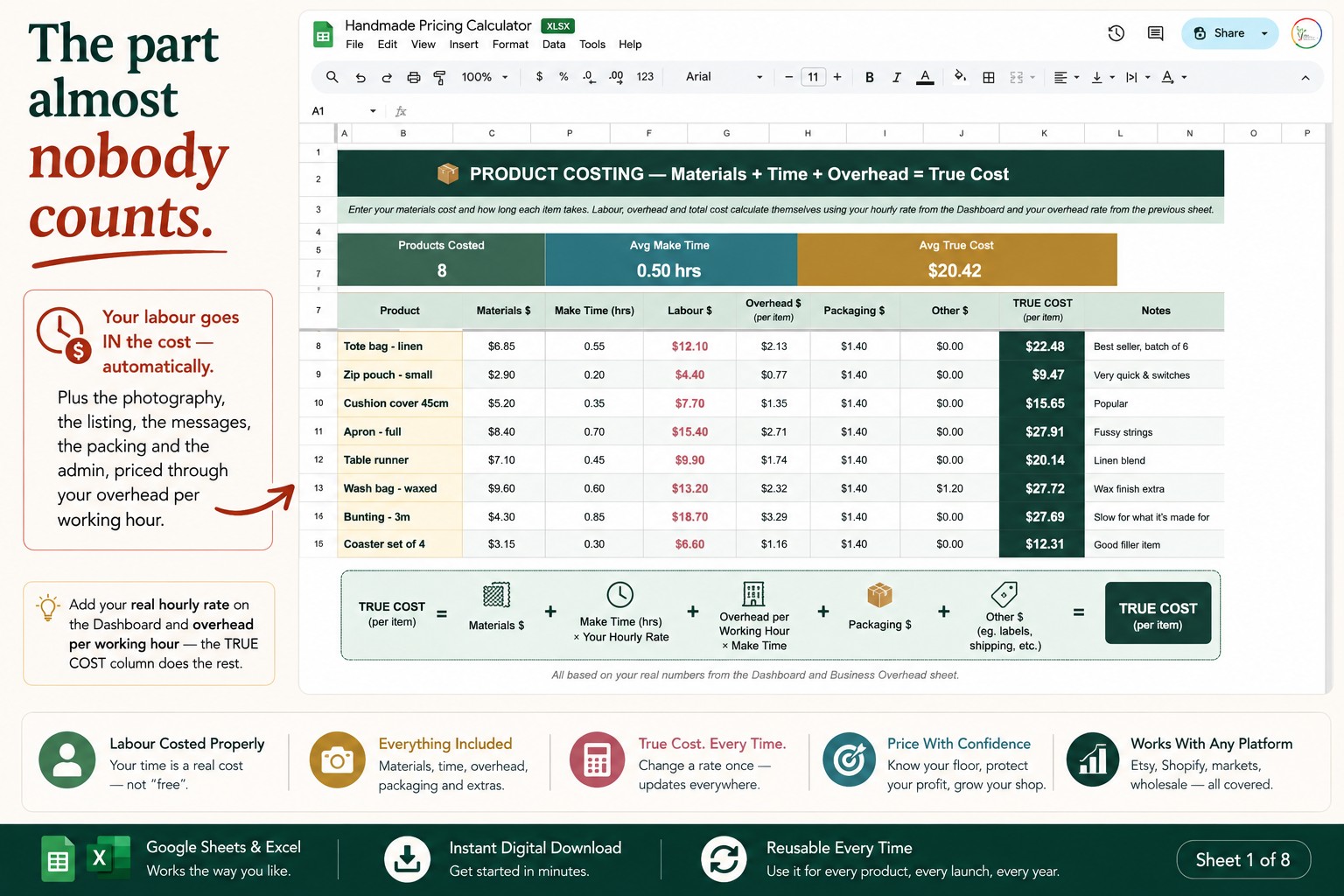
Margin Can Lie to You. Profit Per Hour Can’t. A 40% margin sounds healthy — and can still pay you less than minimum wage if the product takes long…
Margin Can Lie to You. Profit Per Hour Can’t. Read Post »
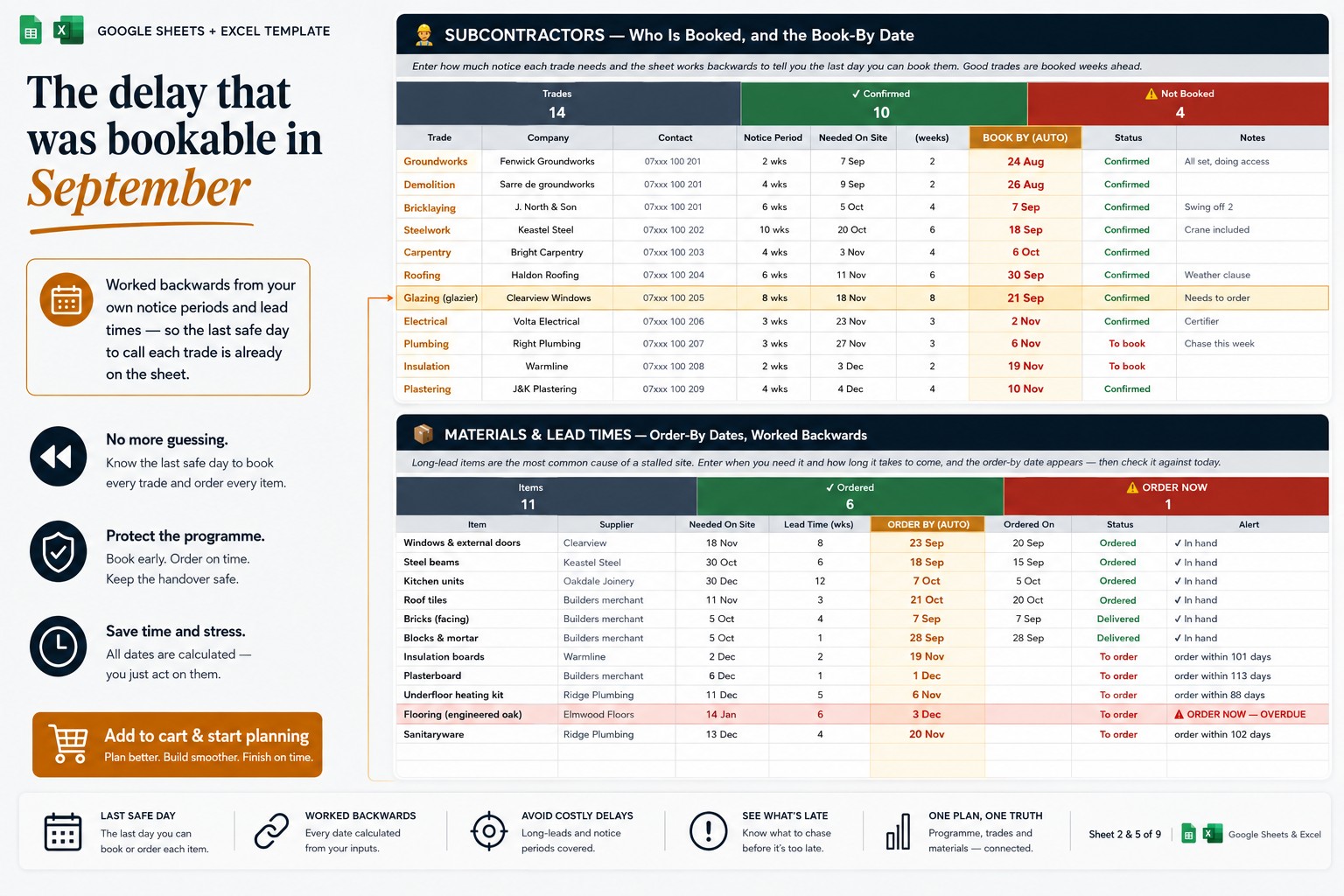
One Task Slips. Every Trade Behind It Moves. Five days of rain in October moved the handover date. Everyone on site knew about the rain. Nobody knew about…
One Task Slips. Every Trade Behind It Moves. Read Post »
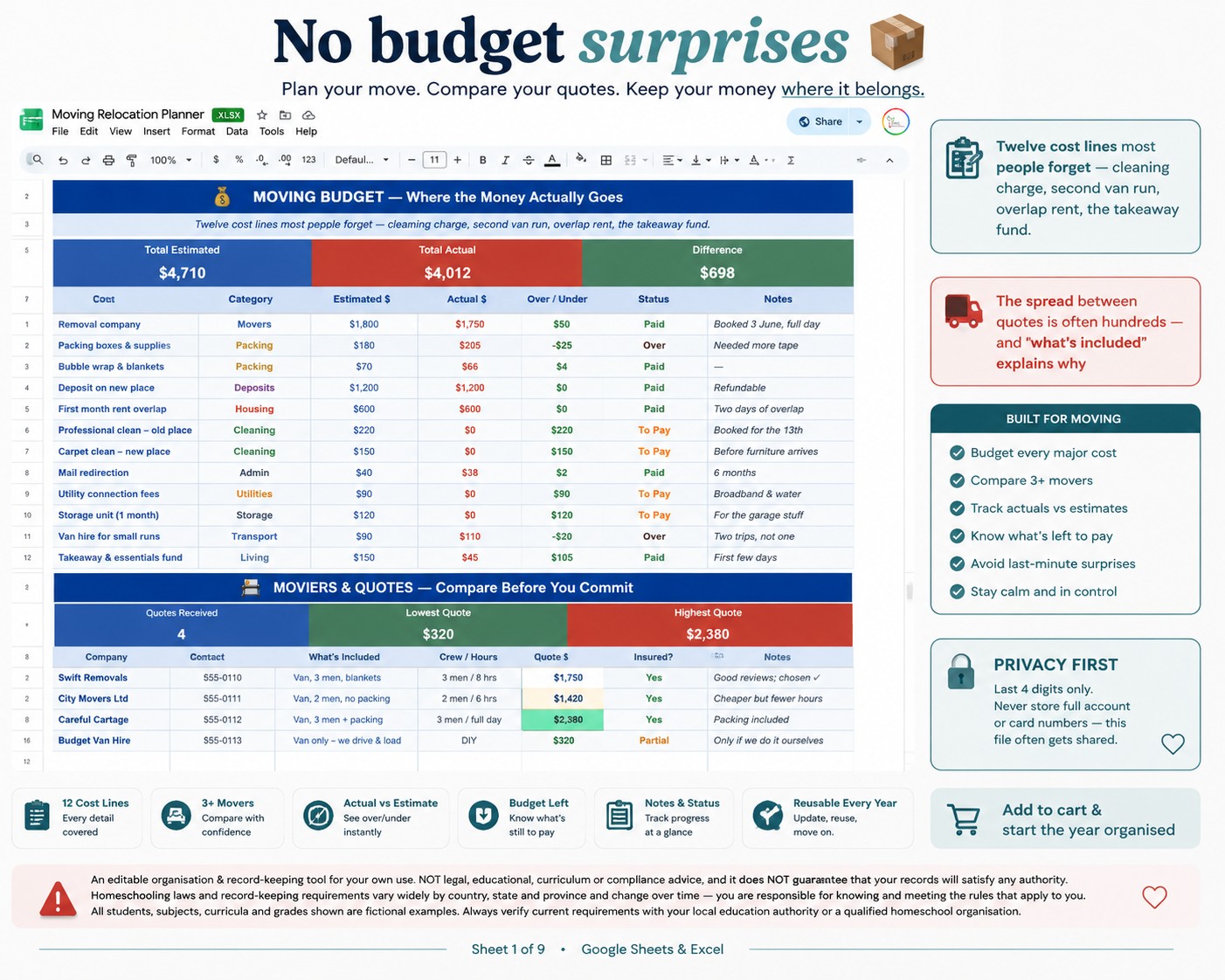
The Moving Costs Nobody Warns You About Your budget didn’t blow up because the movers were expensive. It blew up because of eleven things nobody…
The Moving Costs Nobody Warns You About Read Post »
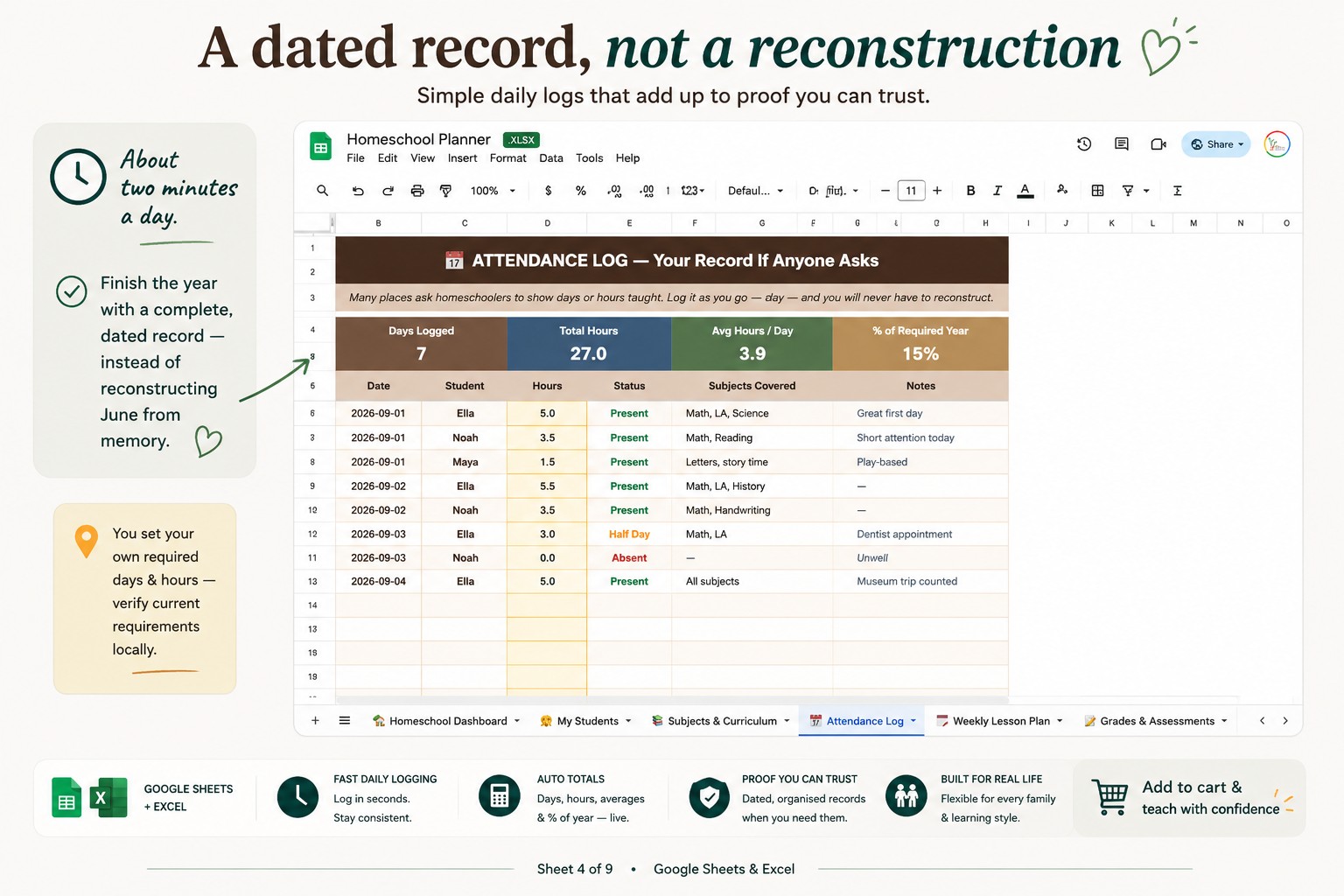
The Second Job Nobody Warned You About You signed up to teach your children — and you do, and it’s wonderful. Nobody mentioned you’d also be the…
The Second Job Nobody Warned You About Read Post »
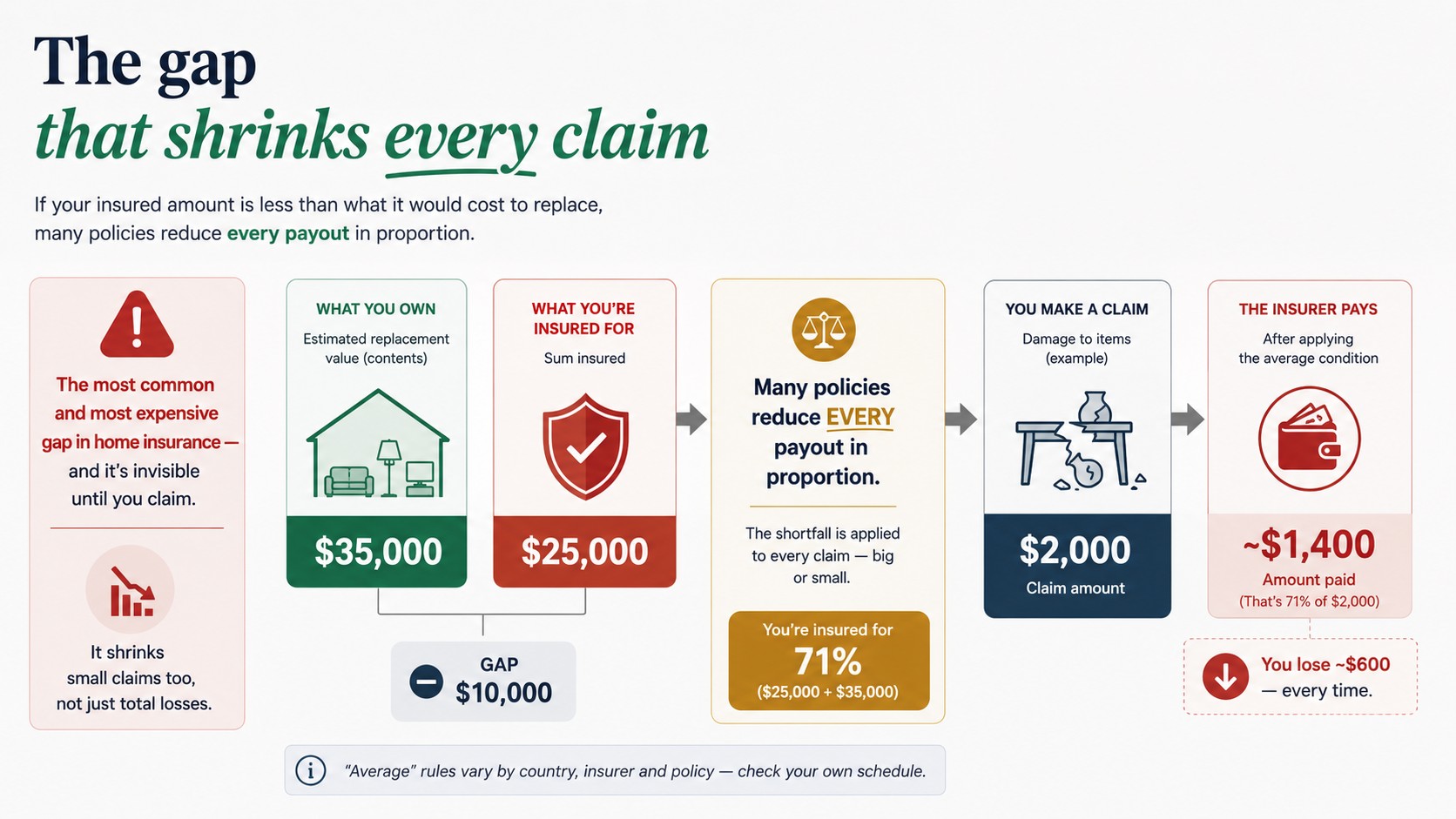
The Claim Settles for What You Could Prove After a fire, a flood or a break-in, someone asks you to list what you owned. Almost nobody can. Here’s why…
The Claim Settles for What You Could Prove Read Post »
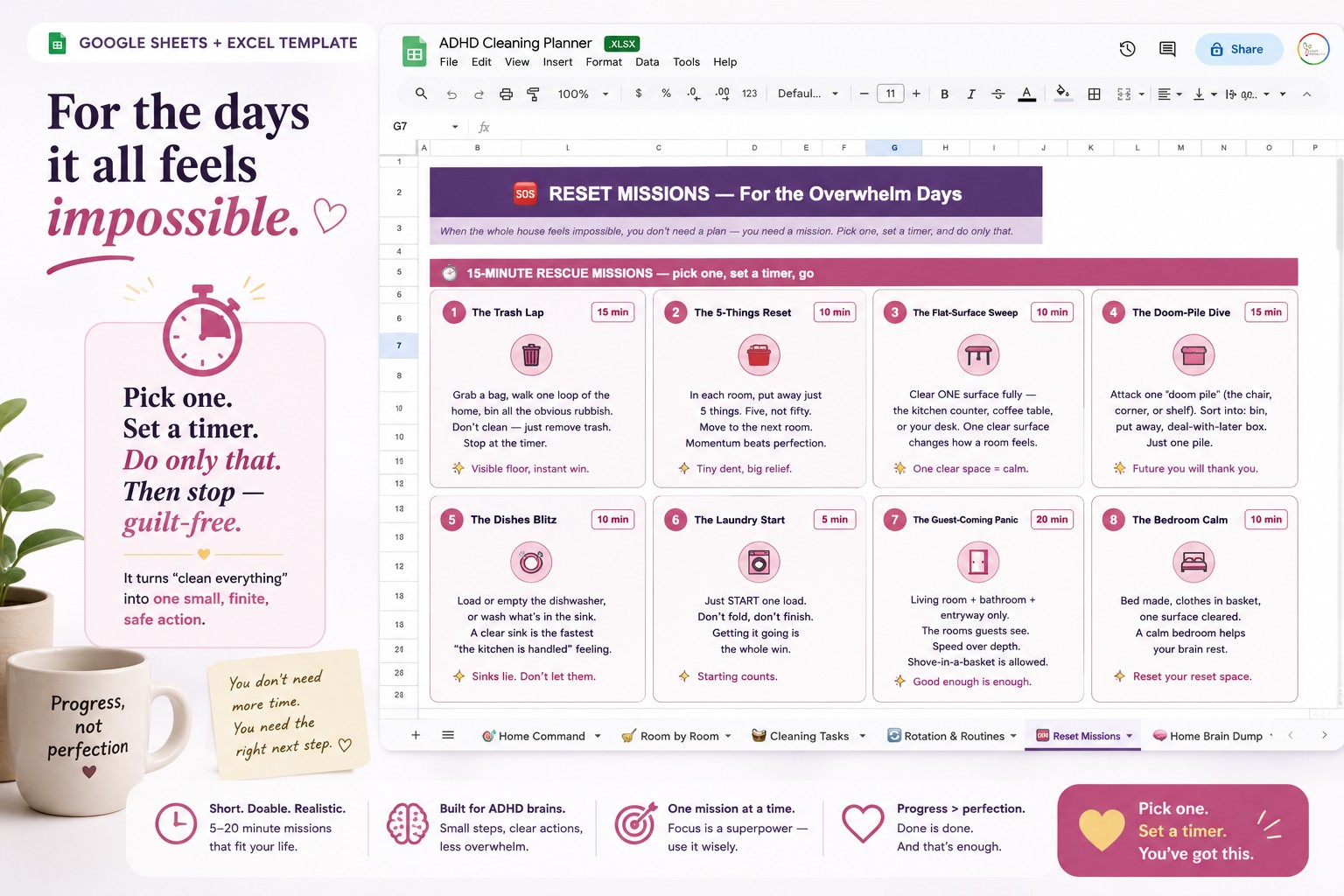
The 15-Minute Reset for the Days It All Feels Impossible Some days the tiny-step trick isn’t enough and the whole house feels like a wall. Here’s the…
The 15-Minute Reset for the Days It All Feels Impossible Read Post »
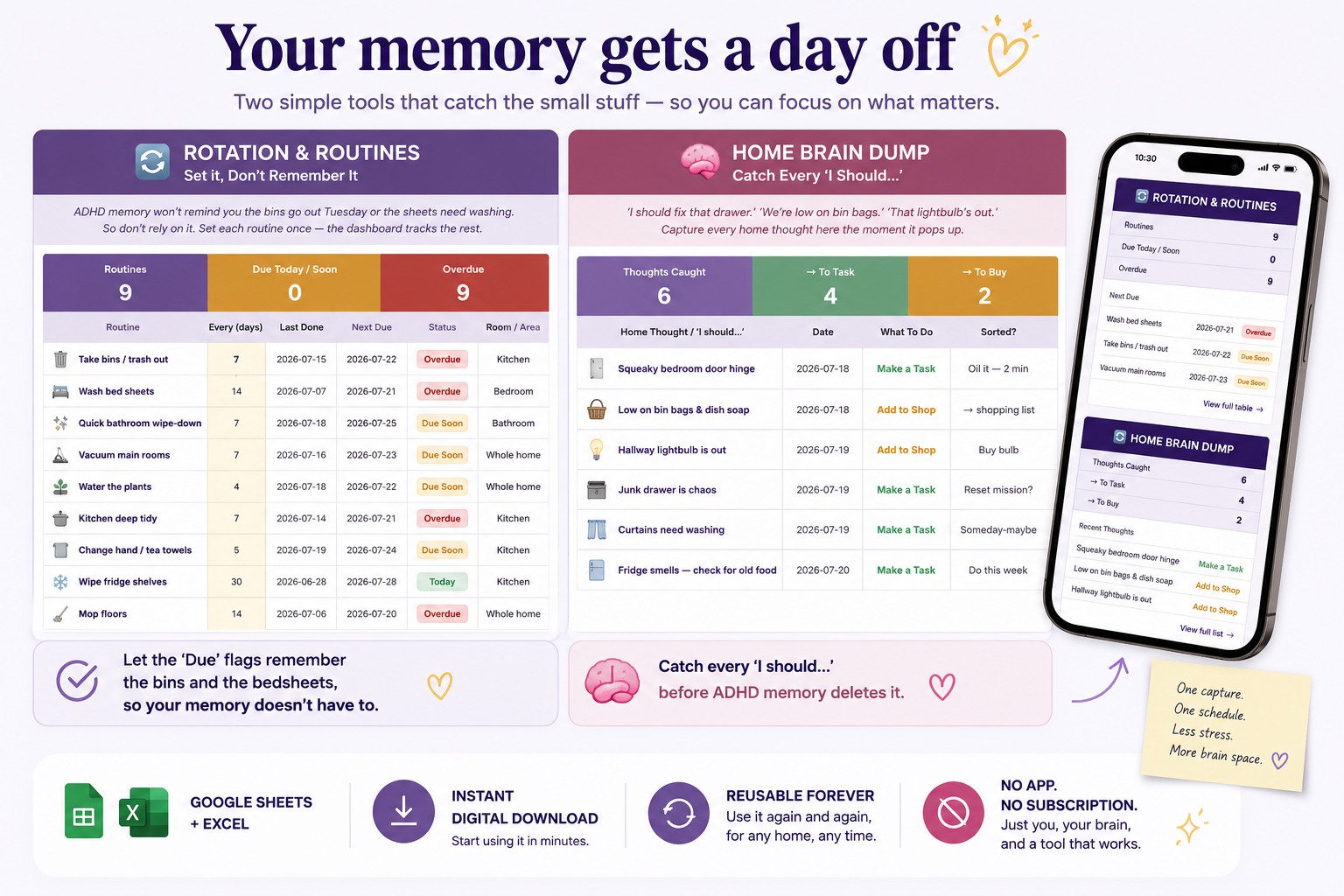
“Clean the Kitchen” Isn’t One Task. It’s Thirty. You can see the mess. It stresses you out. And you still can’t make yourself start. Here’s why cleaning…
“Clean the Kitchen” Isn’t One Task. It’s Thirty. Read Post »
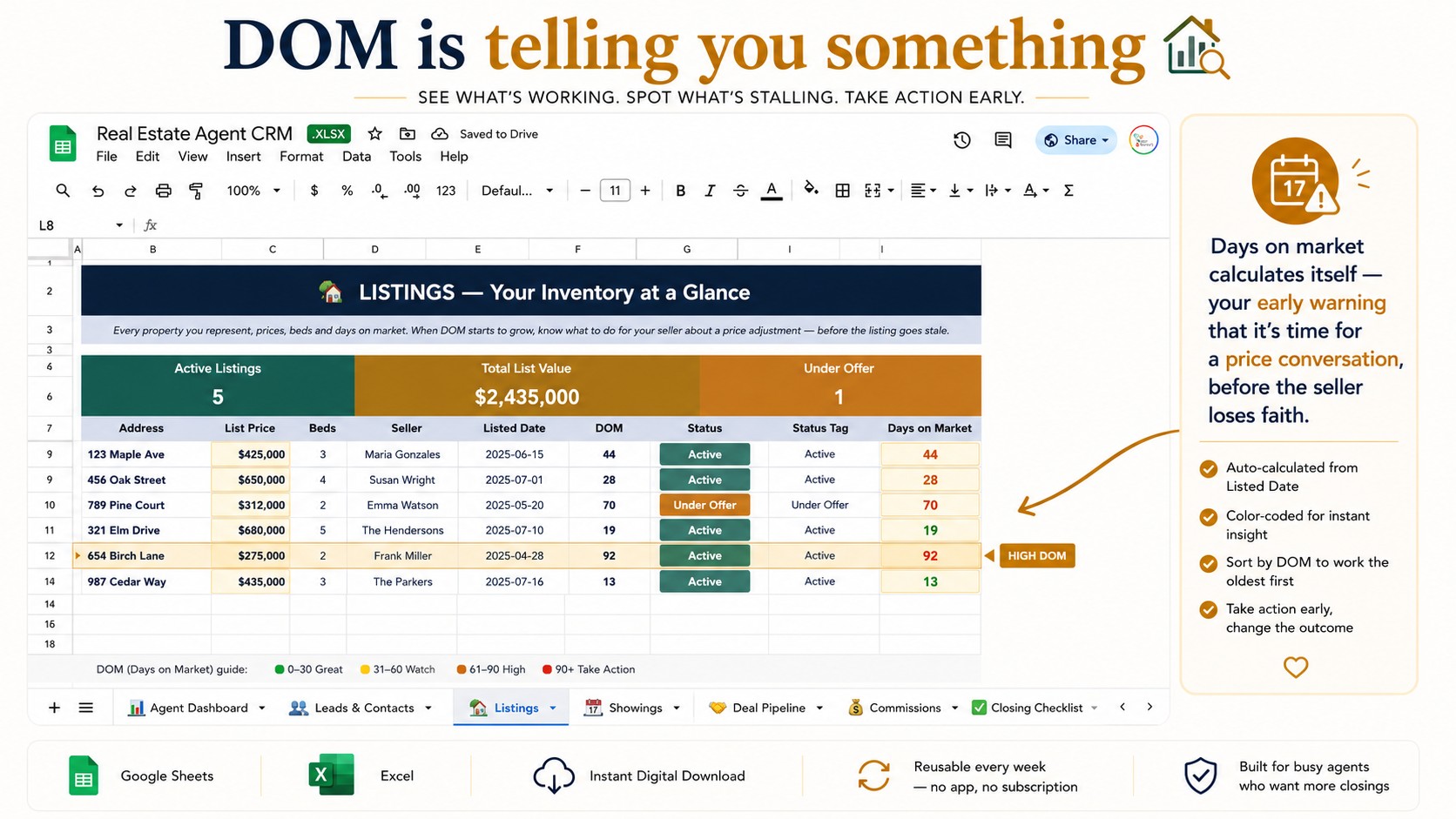
The Lead You Forgot Is a Commission Someone Else Earned Real estate rewards the organised agent and quietly punishes the scattered one. Here’s why real…
The Lead You Forgot Is a Commission Someone Else Earned Read Post »
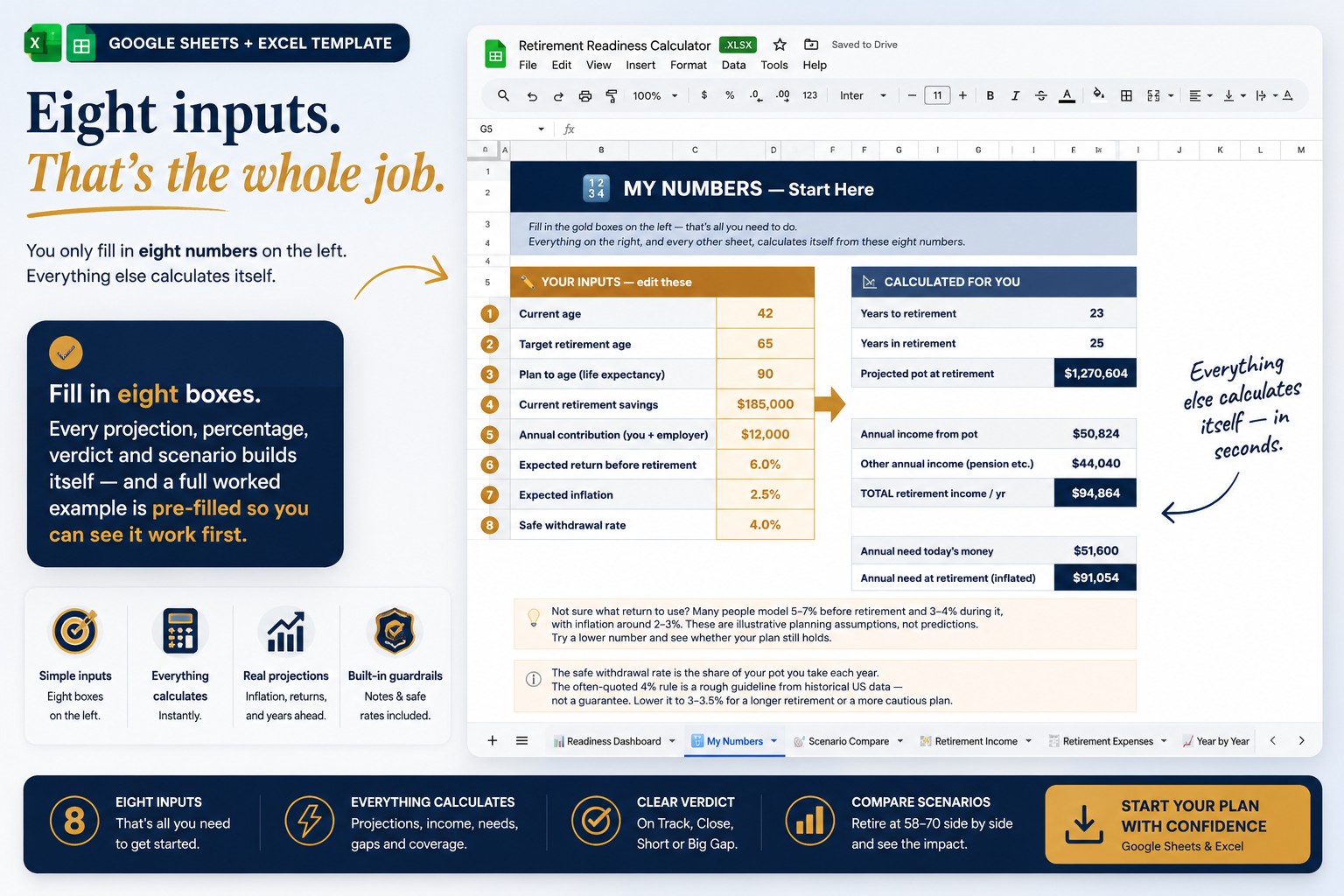
Could You Retire Earlier Than You Think? Most People Never Check. You picked a retirement age years ago — probably by default — and never tested it…
Could You Retire Earlier Than You Think? Most People Never Check. Read Post »