
7 Cognitive Biases That Quietly Wreck Your Decisions
A practical breakdown of seven cognitive biases and simple ways to counter each one in everyday decisions.
7 Cognitive Biases That Quietly Wreck Your Decisions Read Post »
A practical breakdown of seven cognitive biases and simple ways to counter each one in everyday decisions.
7 Cognitive Biases That Quietly Wreck Your Decisions Read Post »
You’ve experienced this: You learn a new word, encounter a concept you’d never heard of, or buy a car model

The bias that warps your risk perception daily: After a plane crash, people drive instead of fly — even though
The Availability Heuristic: Why Vivid Events Feel More Probable Than They Actually Are Read Post »

The bias you use every day without noticing: The first number you encounter in any negotiation, purchase, or estimate becomes
Anchoring Bias: How the First Number You See Controls Every Decision That Follows Read Post »

The most uncomfortable self-knowledge: The less you know about something, the more confident you tend to feel. The more you
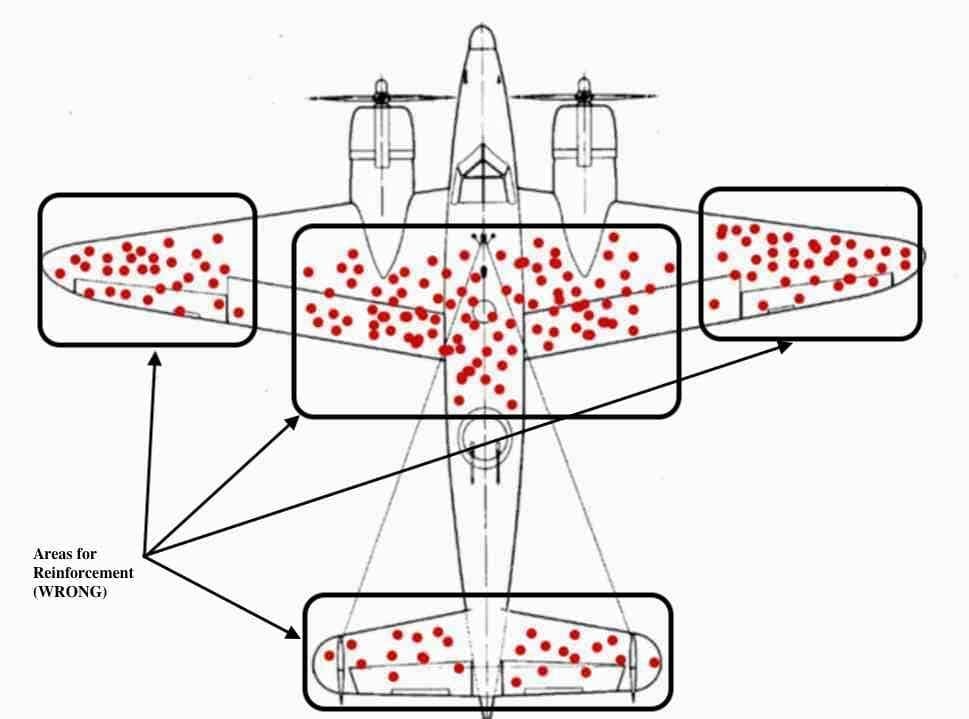
The problem with studying success: We learn from the people and businesses that made it. We read their books, follow

The most dangerous bias is the invisible one: Confirmation bias doesn’t feel like a bias. It feels like pattern recognition, careful
Confirmation Bias: The Reason You’re Probably Wrong About Something Important Right Now Read Post »

A different kind of question: I used to ask “How do I build a successful career?” and get nowhere. The

The short version: I spent years copying what successful people did — their morning routines, their frameworks, their strategies. It
First Principles Thinking: Stop Following Advice, Start Reasoning Read Post »
Introduction: The Project That Owned Me I remember the exact moment I realized I had a problem. It was 11:47