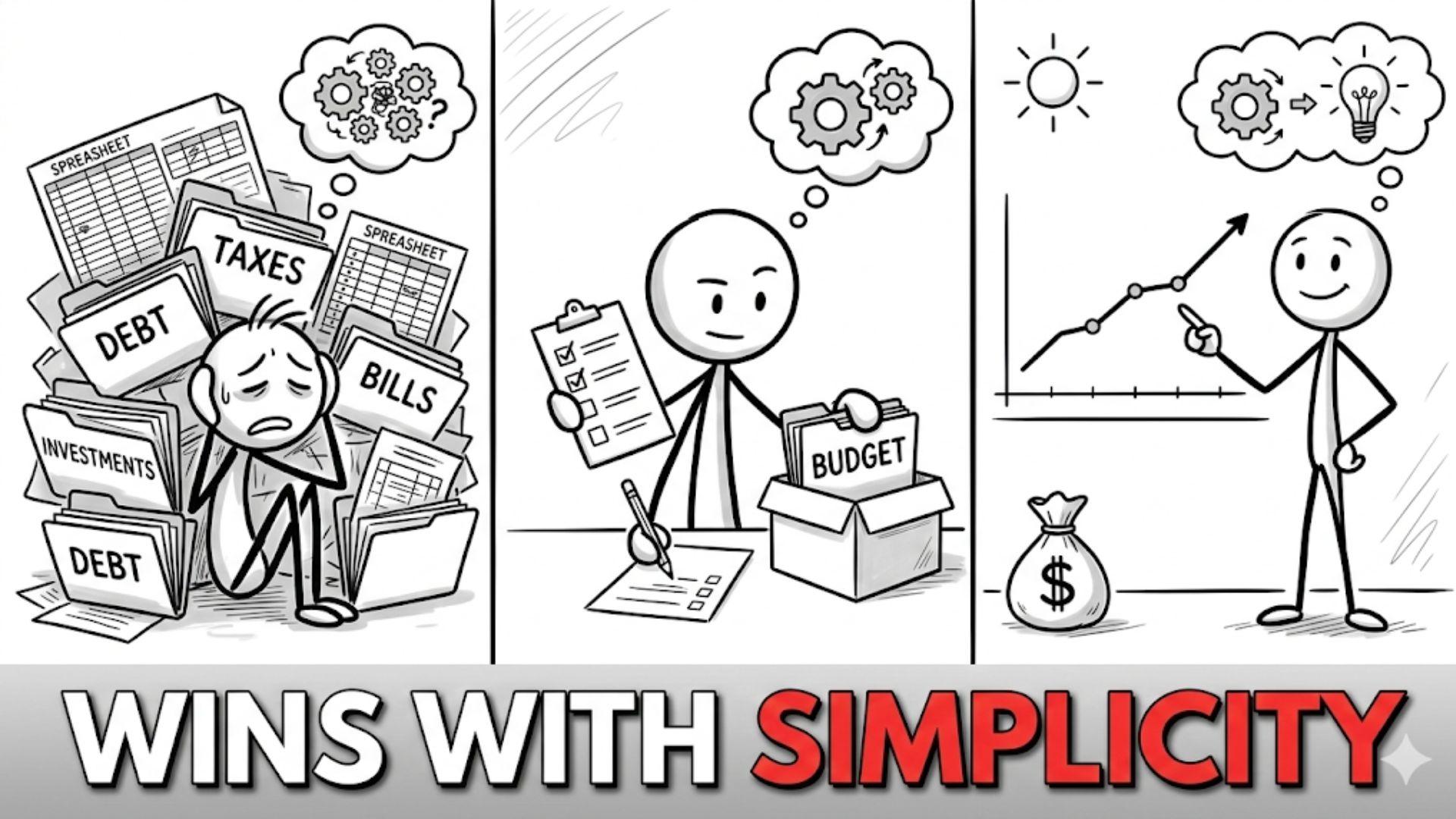
Why Simplicity Wins in Personal Finance
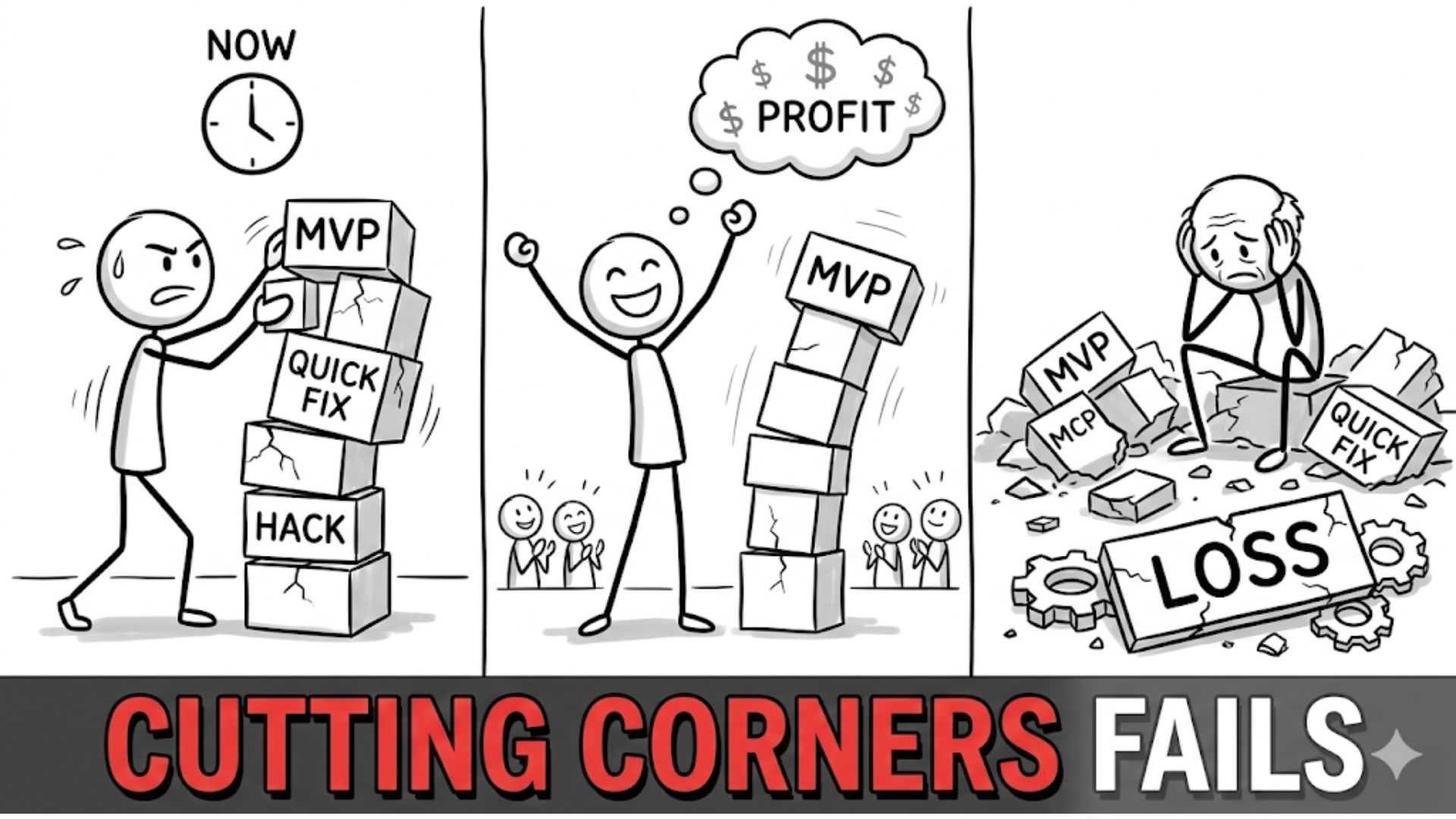
Introduction: Framing the Long-Term Consequences of Impatience Personal finance is often presented as a technical domain governed by spreadsheets, tax […]
Why Simplicity Wins in Personal Finance Read Post »
Introduction: Framing the Long-Term Consequences of Impatience Personal finance is often presented as a technical domain governed by spreadsheets, tax […]
Why Simplicity Wins in Personal Finance Read Post »
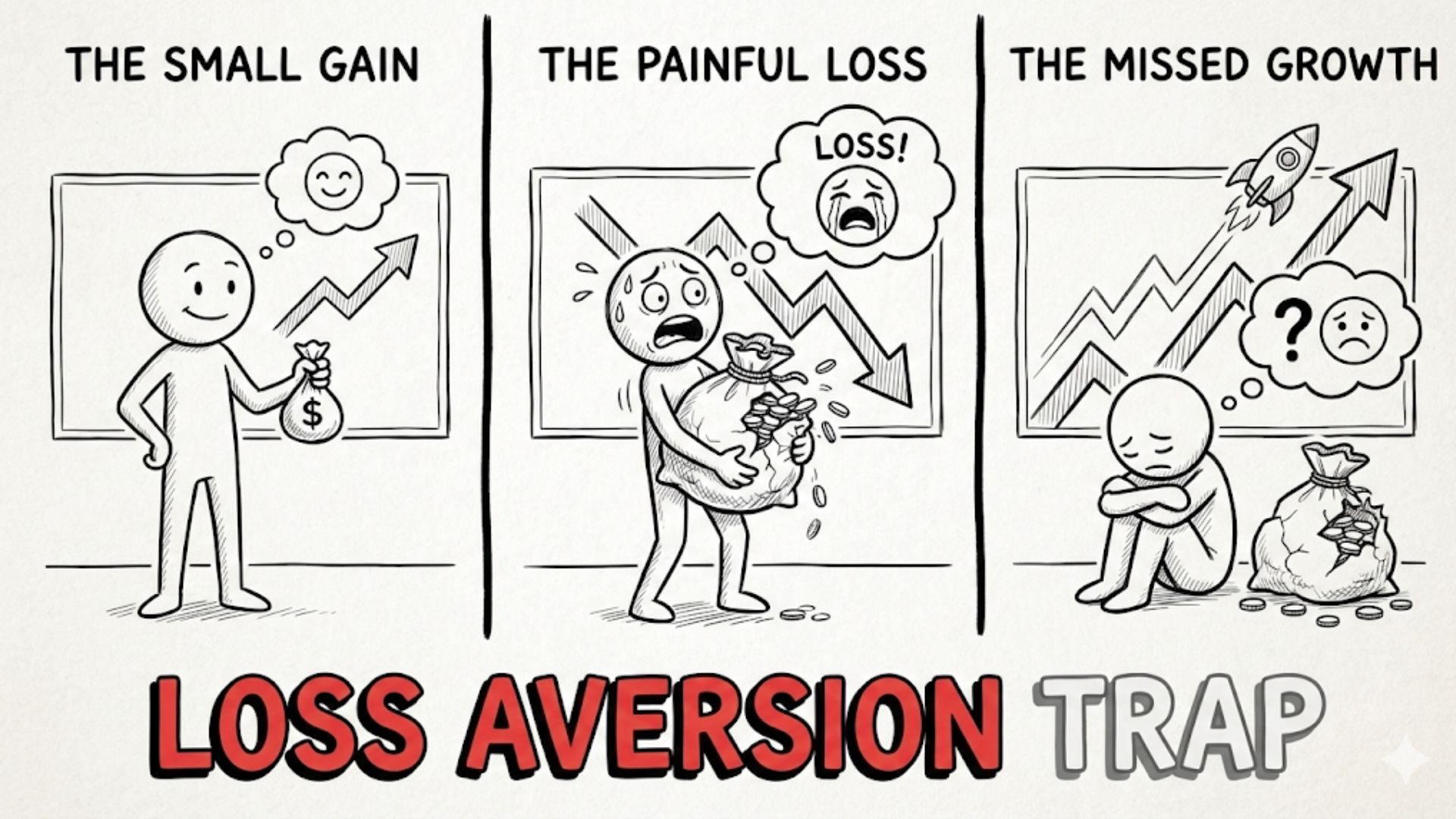
Introduction: Framing the Long-Term Consequences of Impatience Loss aversion is among the most robust findings in behavioral economics. Individuals tend
How Loss Aversion Impacts Portfolio Decisions Read Post »
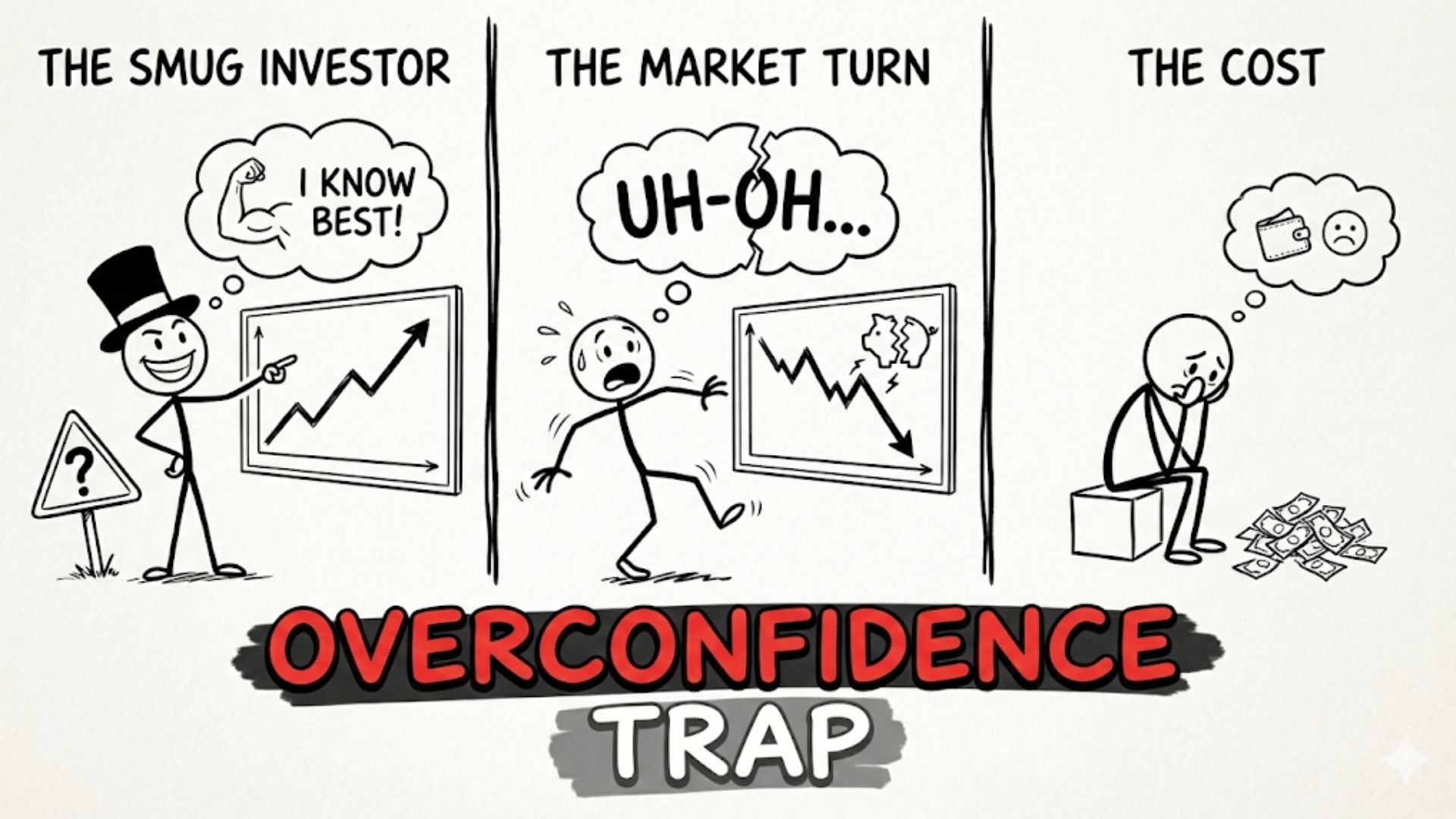
Introduction: Framing the Long-Term Consequences of Impatience Overconfidence occupies a paradoxical position in financial decision-making. On one hand, markets reward
The Cost of Overconfidence in Investing Read Post »
Introduction: Framing the Long-Term Consequences of Impatience Financial markets, career trajectories, and business outcomes are often interpreted through short-term indicators:
Why Long-Term Thinking Is a Financial Advantage Read Post »
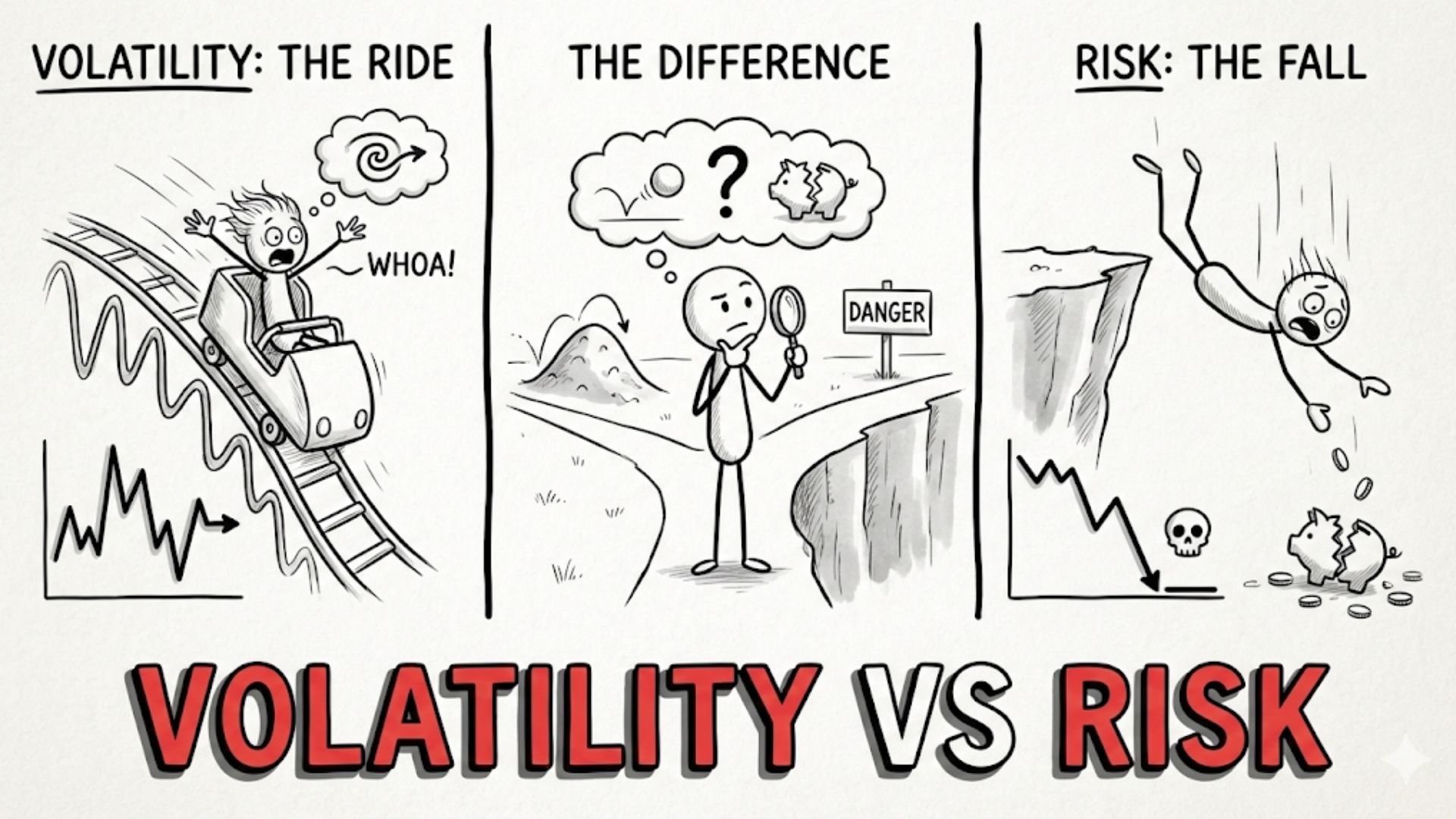
Introduction: Framing the Long-Term Consequences of Impatience Financial success is often discussed in terms of intelligence, discipline, or access to
The Difference Between Volatility and Risk Read Post »
1. THE SNAPSHOT In the modern economic landscape, the traditional path to retirement is not merely slow; it is a
Financial Freedom Summary: From $2.26 to $1.25 Million in 5 Years Read Post »
Financial markets are theoretically designed to facilitate the efficient allocation of capital toward productive enterprises, rewarding participants who provide liquidity
The Architecture of Temporal Failure: Why Most Investors Underperform the Market Read Post »
In the study of capital allocation and decision theory, patience is frequently relegated to the status of a moral virtue
The Architecture of Time: An Analytical Inquiry into Patience and Financial SUCCESS Read Post »
The book that made everything else make sense: I read Thinking, Fast and Slow after already encountering loss aversion, confirmation bias, anchoring, and
Thinking, Fast and Slow Summary: How Your Brain Tricks You (And How to Fix It) Read Post »
In the study of capital allocation and decision theory, time is frequently treated as a secondary coordinate—a mere axis upon
The Temporal Architecture of Capital: How Time Horizon Changes Investment Decisions Read Post »