Introduction: The Fork in the Financial Road
Most of us grow up hearing the same financial advice: go to school, get good grades, and find a safe, secure job with good benefits. It’s the path our parents often recommend—the path of playing it safe. But what if that well-intentioned advice is the very thing holding us back from building real wealth?
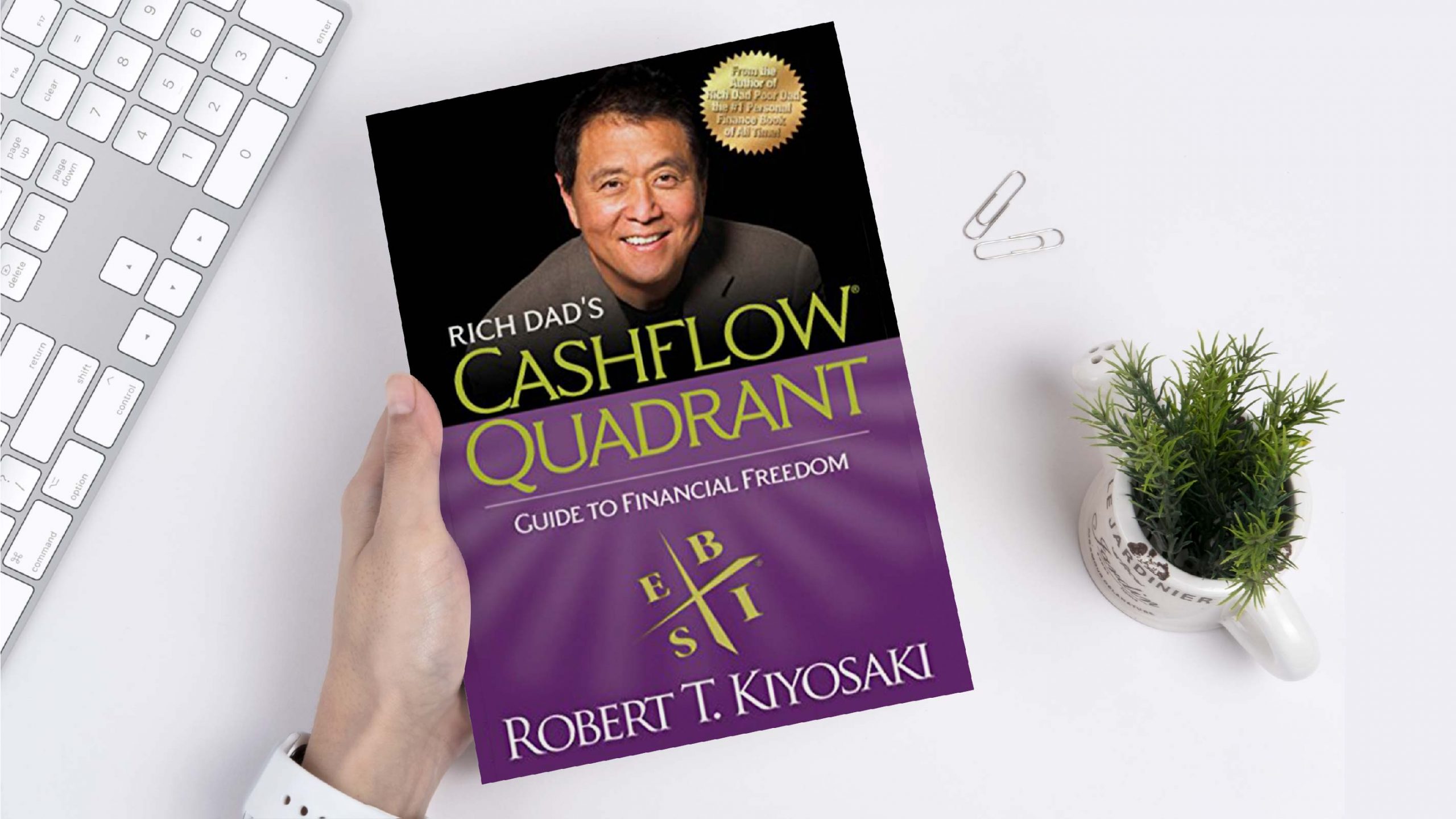
Robert Kiyosaki’s book, Rich Dad Poor Dad, is built on the foundation of the contradictory advice he received from two father figures. His “Poor Dad”—his biological father—was a highly educated academic with a Ph.D. His “Rich Dad”—his best friend’s father—was an entrepreneur who never finished the eighth grade. One would say, “The love of money is the root of all evil,” while the other countered, “The lack of money is the root of all evil.” This clash of core beliefs is what makes the book’s lessons so powerful.
This contrast creates a framework for rethinking our core beliefs about personal finance. These lessons are not just about earning more; they are about fundamentally changing how you think about money, assets, and the path to financial freedom. Here are five of the most surprising and impactful lessons from Rich Dad’s philosophy that challenge conventional wisdom.
1. The Rich Don’t Work for Money—They Make Money Work for Them
Poor Dad’s advice was to “study hard so you can find a good company to work for.” Rich Dad’s advice was to “study hard so you can find a good company to buy.” This distinction is the core of the first lesson.
Kiyosaki calls this trap the “Rat Race,” a cycle where life is forever controlled by two emotions: fear and greed. The fear of not paying their bills gets them up to work, and once they get a paycheck, the desire for all the things money can buy takes over. This pattern repeats, with more money only deepening the trap.
The rich, in contrast, don’t work for a paycheck. They focus their time and energy on acquiring assets—things that generate income independently of their direct labor. By building a strong asset column, they create systems where their money works for them, 24 hours a day, generating wealth even when they are not physically working.
“The poor and the middle class work for money. The rich have money work for them.”
2. Your Biggest “Asset” Might Actually Be Your Biggest Liability
One of the most controversial ideas in the book directly challenges the common belief that a primary residence is a person’s greatest asset. This was a major point of disagreement between the two dads.
Rich Dad offered brutally simple definitions for assets and liabilities:
• An asset is something that puts money in your pocket.
• A liability is something that takes money out of your pocket.
Using this logic, a primary residence is not an asset. Each month, it takes money out of your pocket through mortgage payments, property taxes, insurance, and maintenance costs. While it may appreciate in value, its primary function month-to-month is to drain cash flow, making it a liability. This redefinition is critical because it shifts the focus from acquiring things that look like wealth to acquiring things that actually generate wealth.
“Rich people acquire assets. The poor and middle class acquire liabilities that they think are assets.”
3. Financial Intelligence Is More Important Than a High Salary
Rich Dad’s philosophy is clear: financial literacy is the key to building and maintaining wealth, not simply earning a large income. “It’s not how much money you make, it’s how much money you keep.”
The book illustrates this point with examples of highly educated professionals like doctors, lawyers, and accountants who earn substantial incomes but still struggle financially. They may be masters of their profession, but because they never learned how to manage money effectively, their wealth disappears as quickly as it comes in. They learn how to work hard for money but not how to make their money work hard for them. True wealth comes from financial aptitude—knowing what to do with the money you make.
“Money without financial intelligence is money soon gone.”
4. Your Profession and Your Business Are Two Different Things
Rich Dad makes a crucial distinction between your profession and your business. Your profession is what you do to earn a paycheck. Your business, however, is your asset column. Too many people confuse the two.
The book uses the story of Ray Kroc, the founder of McDonald’s. When asked what business he was in, he would reply that he was not in the hamburger business, but in the real estate business. While his profession was selling hamburger franchises, his business was accumulating the valuable real estate underneath those franchises.
“Minding your own business” means focusing on building your asset column. The key takeaway is that you should keep your daytime job, but use the income from it to diligently acquire real assets, thereby minding your own business. This includes things like stocks, bonds, income-generating real estate, intellectual property, or businesses that don’t require your daily presence. This shifts the goal from simply climbing the career ladder to actively building a personal financial empire.
5. Your Mindset Creates Your Wealth (or Your Poverty)
The most profound lesson is that your thoughts and words have immense power to shape your financial reality. Your mind is your single most powerful asset.
Poor Dad had a habit of saying, “I can’t afford it.” This phrase, Rich Dad explained, is a statement that shuts down your brain. There is no need to think any further. Rich Dad, on the other hand, forbade those words and insisted on asking a question instead: “How can I afford it?” This question forces your brain to engage, search for solutions, and discover opportunities.
This concept extends to one’s entire financial identity. Rich Dad emphasized that “broke is temporary, poor is eternal.” Broke is a financial condition, but poor is a mindset. By training your mind to see possibilities instead of obstacles, you create the foundation upon which wealth is built.
“I noticed that people really do shape their lives through their thoughts… my poor dad always said, ‘I’ll never be rich,’ and that prophecy became reality.”
Conclusion: Choosing a New Path
The central theme of Rich Dad Poor Dad is that building wealth has less to do with your paycheck and more to do with your financial education and mindset. The lessons challenge the safe, conventional path we’ve been taught and offer a different route—one that requires financial literacy, discipline, and the courage to think for yourself.
These ideas provide a powerful alternative to the “Rat Race” and a practical blueprint for financial freedom. They leave you with a final, thought-provoking question to consider:
“If you stopped working today, how long could you survive on the income your assets generate?”