Applied Thinking & Real-World Mental Models | BuildingTheMin

Applied Thinking

the almanack of naval ravikant
Applied Thinking, Financial Decisions, Long-Term Thinking, Time & Compounding

The Architecture of Temporal Failure: Why Most Investors Underperform the Market

Financial markets are theoretically designed to facilitate the efficient allocation of capital toward productive enterprises, rewarding participants who provide liquidity […]

The Architecture of Temporal Failure: Why Most Investors Underperform the Market Read Post »
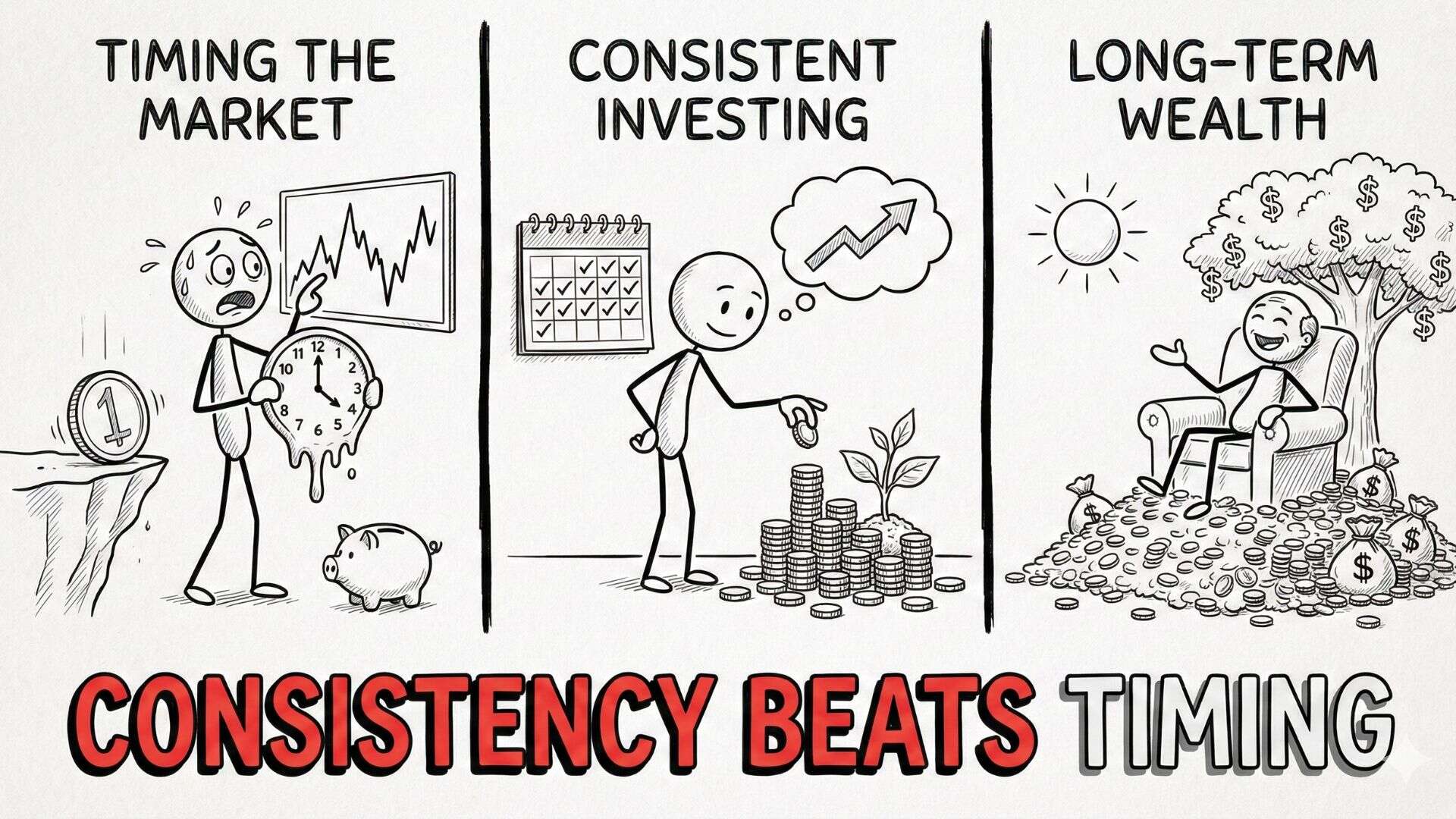
Why Consistency Beats Timing in Wealth Building
Applied Thinking, Mental Models, Systems Thinking

The Calculus of Persistence: Why Structural Consistency Outperforms Tactical Timing

In the analytical study of long-term capital formation—whether manifested as financial wealth, professional reputation, or organizational capability—there exists a persistent

The Calculus of Persistence: Why Structural Consistency Outperforms Tactical Timing Read Post »

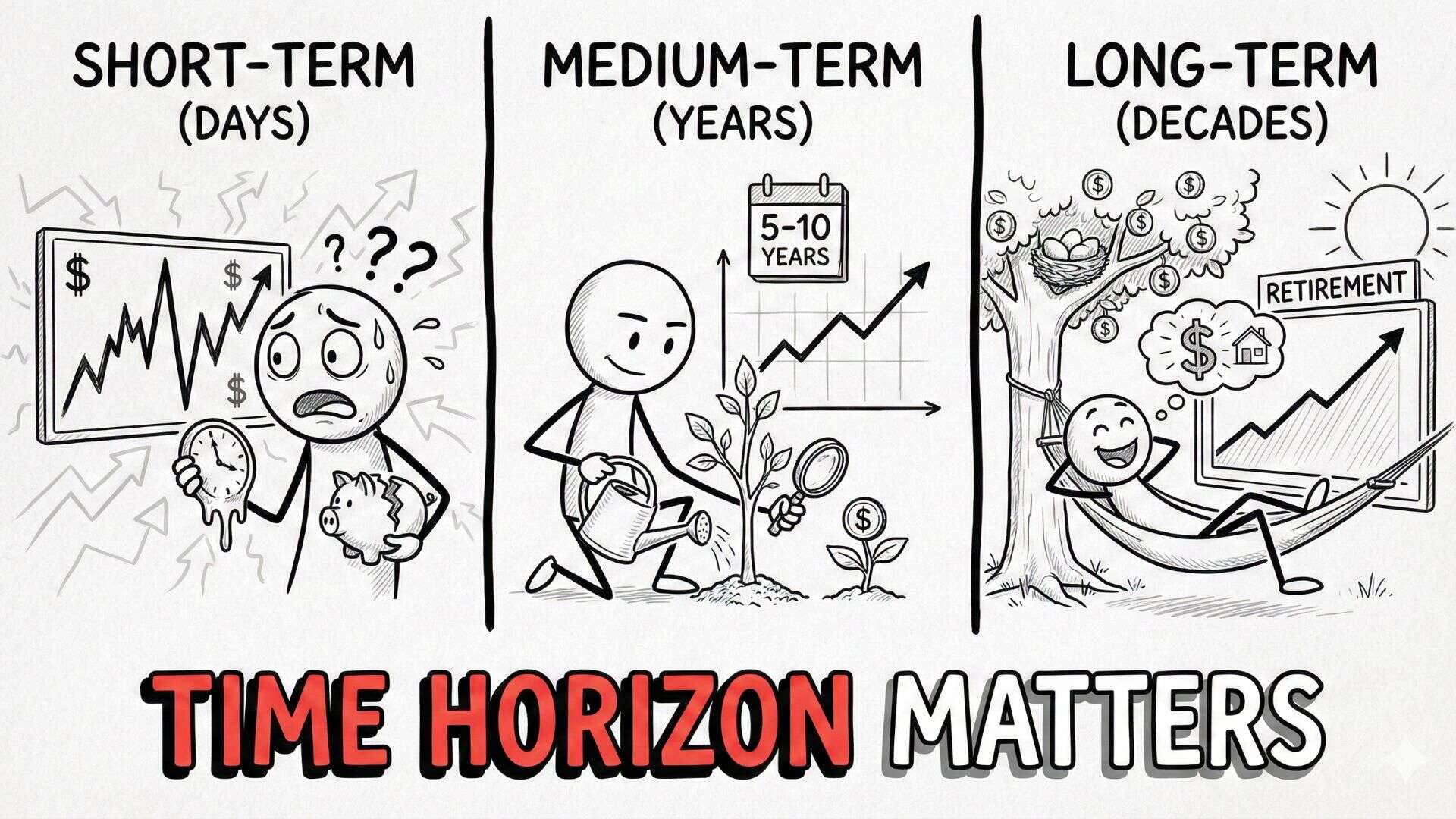
How Time Horizon Changes Investment Decisions
Applied Thinking, Core Mental Models, Decision Frameworks, Decision Science, Long-Term Thinking, Time & Compounding

The Temporal Architecture of Capital: How Time Horizon Changes Investment Decisions

In the study of capital allocation and decision theory, time is frequently treated as a secondary coordinate—a mere axis upon

The Temporal Architecture of Capital: How Time Horizon Changes Investment Decisions Read Post »

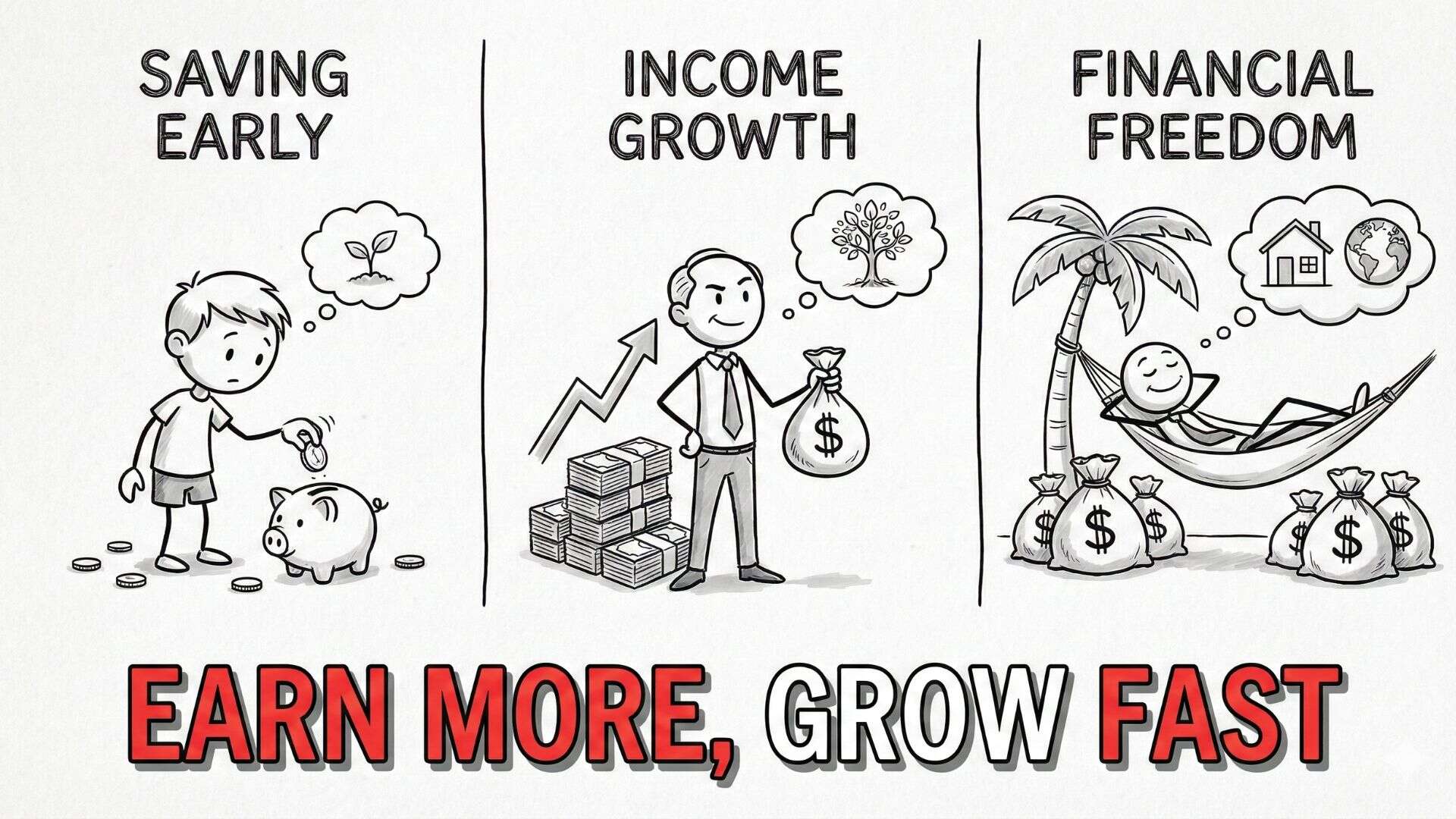
Why Income Growth Matters More Than Saving Early
Applied Thinking, Business & Strategy, Cognitive Biases, Core Mental Models, Decision Frameworks, Financial Decisions, Learning & Knowledge, Learning Psychology, Long-Term Thinking, Skill Development, Systems Thinking, Time & Compounding

Why Income Growth Matters More Than Saving Early

The Leverage of Human Capital: Why Income Growth Supersedes Early Frugality In the landscape of personal finance and long-term economic

Why Income Growth Matters More Than Saving Early Read Post »

How Risk Perception Shapes Financial Outcomes
Applied Thinking, Behavioral Economics, Cognitive Biases, Core Mental Models, Decision Frameworks, Decision Science, Financial Decisions, Learning & Knowledge, Long-Term Thinking, Systems Thinking

How Risk Perception Shapes Financial Outcomes

Introduction: The Hidden Force Behind Financial Trajectories Financial outcomes are often explained through income levels, education, access to capital, or

How Risk Perception Shapes Financial Outcomes Read Post »

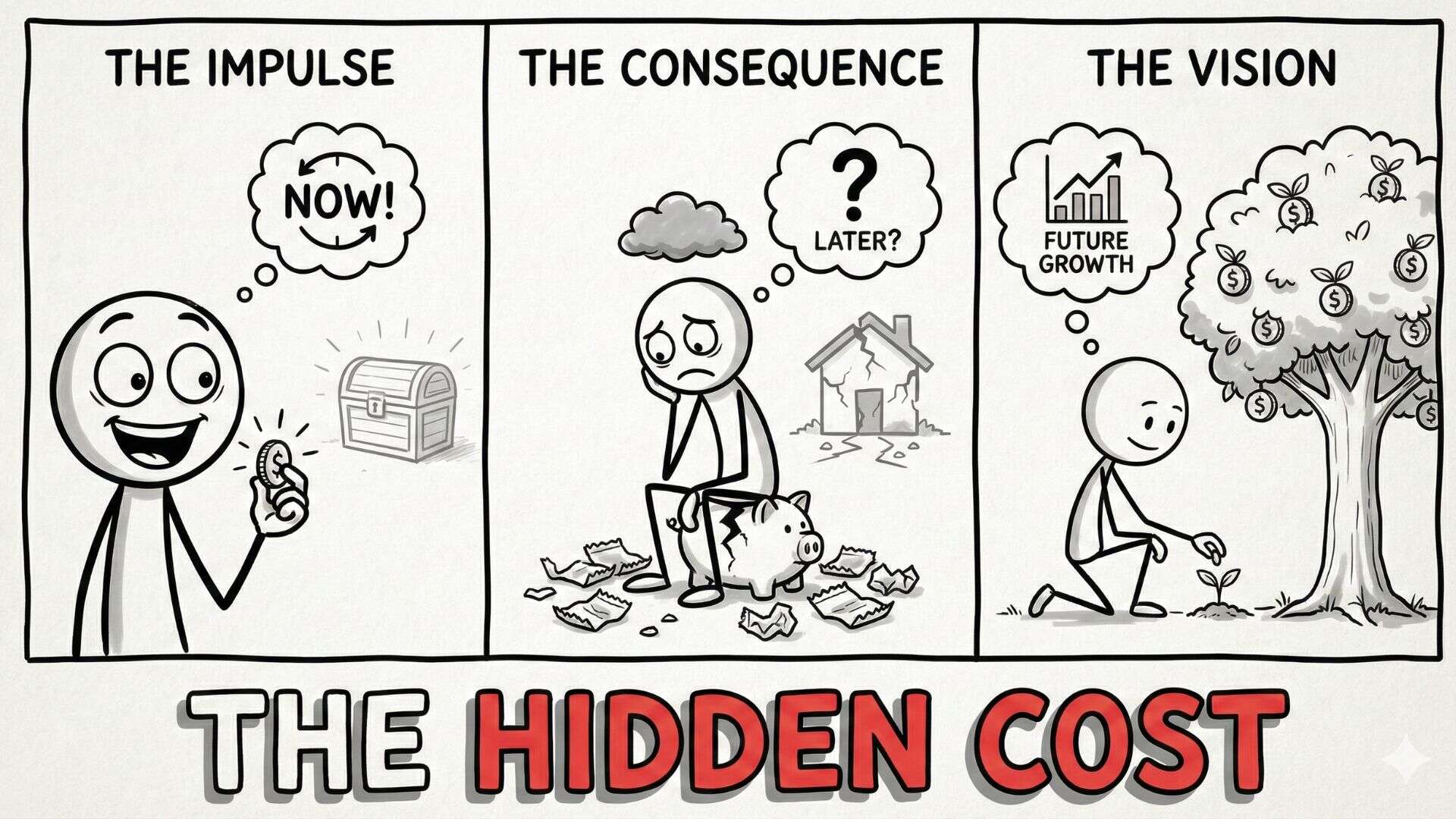
The Cognitive Architecture of Temporal Myopia: The Hidden Cost of Short-Term Financial Thinking
Applied Thinking, Cognitive Biases, Financial Decisions

The Cognitive Architecture of Temporal Myopia: The Hidden Cost of Short-Term Financial Thinking

In the modern economic landscape, “short-termism” is frequently discussed as a moral or cultural failing. However, from the perspective of

The Cognitive Architecture of Temporal Myopia: The Hidden Cost of Short-Term Financial Thinking Read Post »

Graph showing prospect theory and the asymmetry of loss aversion in behavioral finance.
Decision Science, Applied Thinking, Behavioral Economics, Financial Decisions

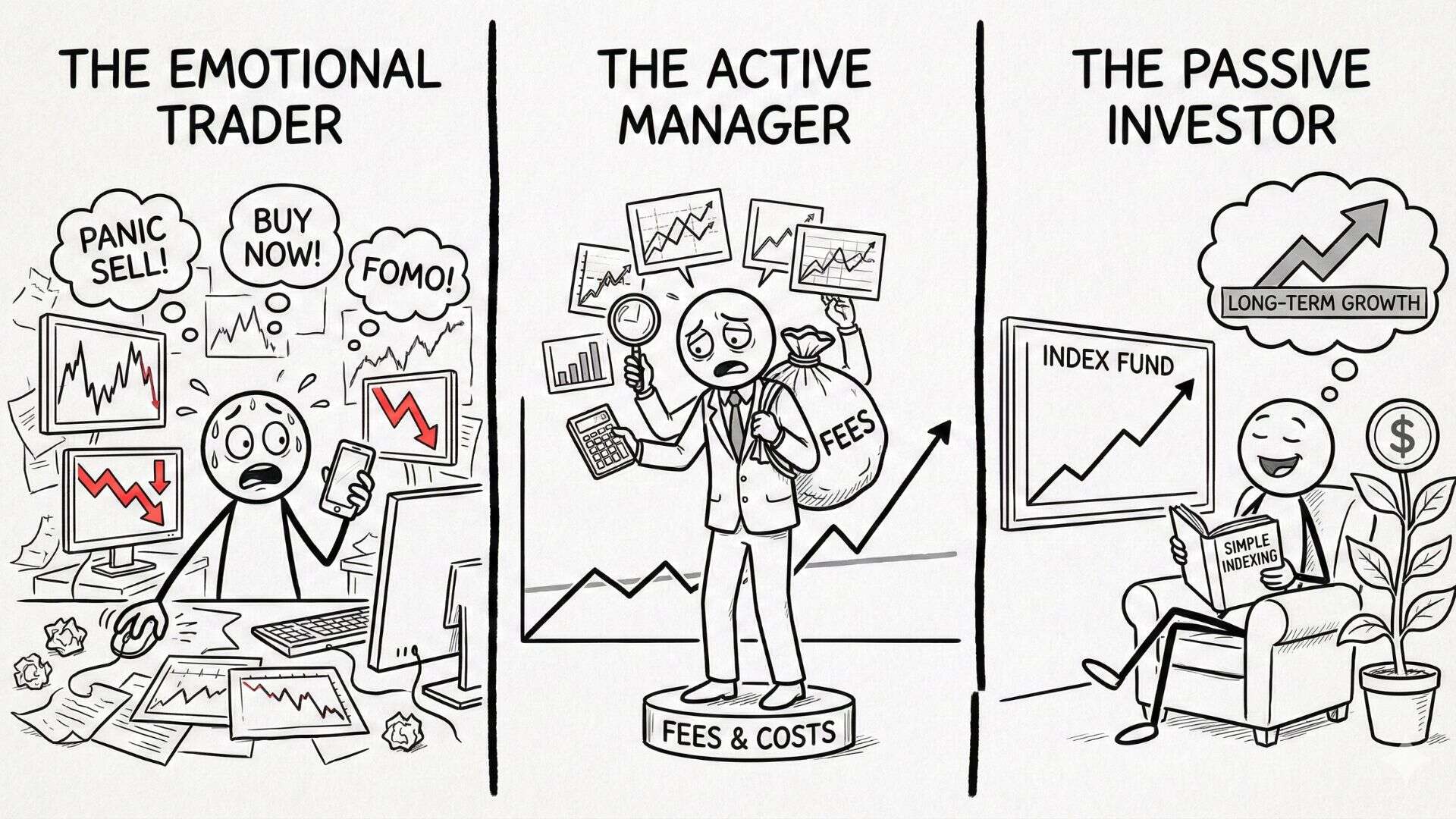
How emotional investing destroys long-term wealth: a cognitive analysis

The accumulation of wealth over long durations is fundamentally a pursuit of discipline rather than raw intelligence. While modern financial

How emotional investing destroys long-term wealth: a cognitive analysis Read Post »

Scroll to Top