Financial Decisions -

Financial Decisions

the almanack of naval ravikant
Applied Thinking, Financial Decisions, Long-Term Thinking, Time & Compounding

The Architecture of Temporal Failure: Why Most Investors Underperform the Market

Financial markets are theoretically designed to facilitate the efficient allocation of capital toward productive enterprises, rewarding participants who provide liquidity

The Architecture of Temporal Failure: Why Most Investors Underperform the Market Read Post »

Why Income Growth Matters More Than Saving Early
Applied Thinking, Business & Strategy, Cognitive Biases, Core Mental Models, Decision Frameworks, Financial Decisions, Learning & Knowledge, Learning Psychology, Long-Term Thinking, Skill Development, Systems Thinking, Time & Compounding

Why Income Growth Matters More Than Saving Early

The Leverage of Human Capital: Why Income Growth Supersedes Early Frugality In the landscape of personal finance and long-term economic

Why Income Growth Matters More Than Saving Early Read Post »

How Risk Perception Shapes Financial Outcomes
Applied Thinking, Behavioral Economics, Cognitive Biases, Core Mental Models, Decision Frameworks, Decision Science, Financial Decisions, Learning & Knowledge, Long-Term Thinking, Systems Thinking

How Risk Perception Shapes Financial Outcomes

Introduction: The Hidden Force Behind Financial Trajectories Financial outcomes are often explained through income levels, education, access to capital, or

How Risk Perception Shapes Financial Outcomes Read Post »

The Cognitive Architecture of Temporal Myopia: The Hidden Cost of Short-Term Financial Thinking
Applied Thinking, Cognitive Biases, Financial Decisions

The Cognitive Architecture of Temporal Myopia: The Hidden Cost of Short-Term Financial Thinking

In the modern economic landscape, “short-termism” is frequently discussed as a moral or cultural failing. However, from the perspective of

The Cognitive Architecture of Temporal Myopia: The Hidden Cost of Short-Term Financial Thinking Read Post »

Graph showing prospect theory and the asymmetry of loss aversion in behavioral finance.
Decision Science, Applied Thinking, Behavioral Economics, Financial Decisions

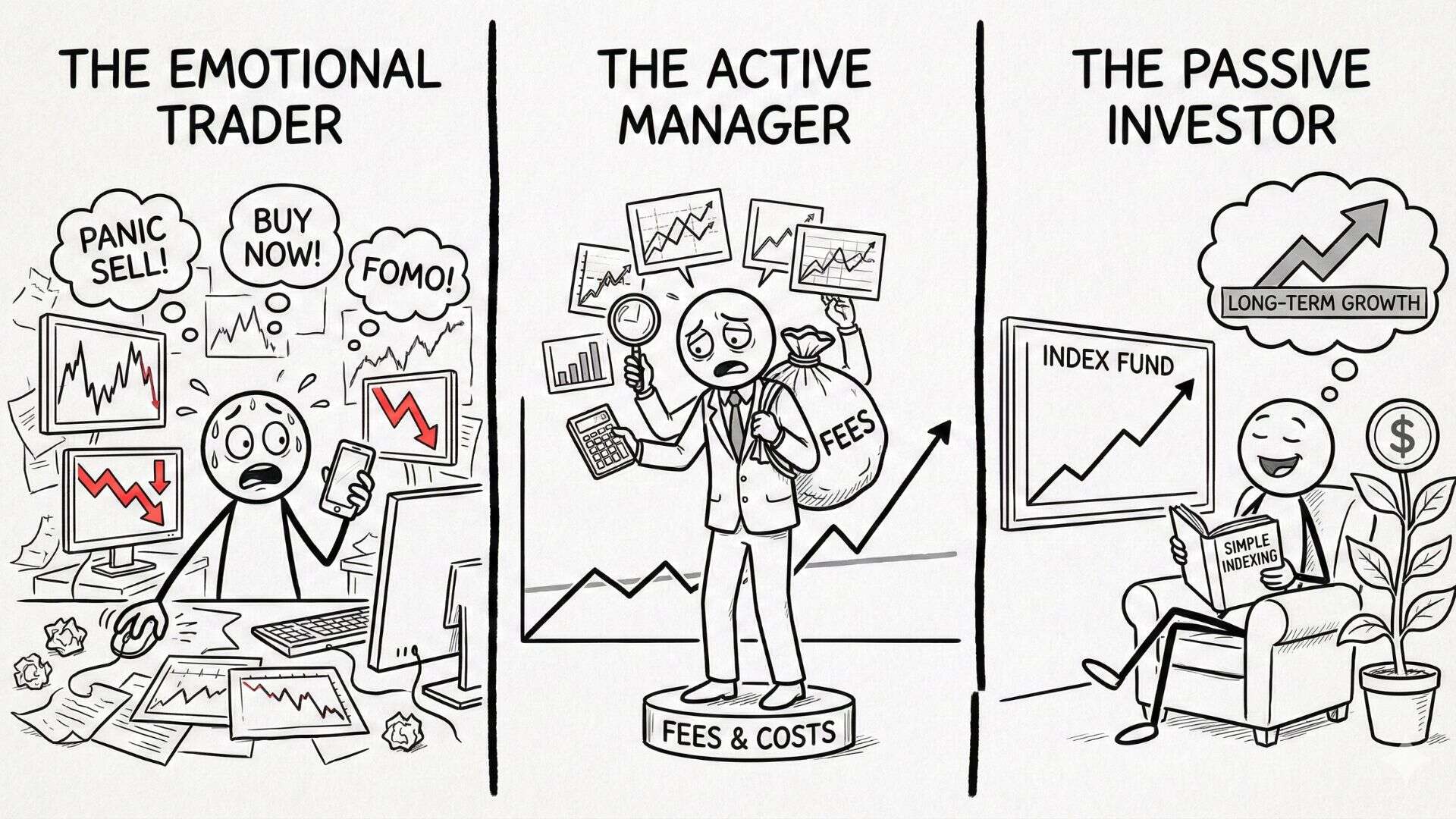
How emotional investing destroys long-term wealth: a cognitive analysis

The accumulation of wealth over long durations is fundamentally a pursuit of discipline rather than raw intelligence. While modern financial

How emotional investing destroys long-term wealth: a cognitive analysis Read Post »

Scroll to Top